About
I Help Clinical and Public Health Researchers Close the Gap Between What Their Evidence Shows and What the Manuscript Communicates
The clearest writing starts with a clear argument. I developed this principle while evaluating and revising manuscripts at BMC Medicine (Nature Portfolio), communicating clinical study results, and publishing my own research. Today, it continues to guide my work.
I Bridge Research and Communication Through Three Perspectives: Researcher, Writer, Editor
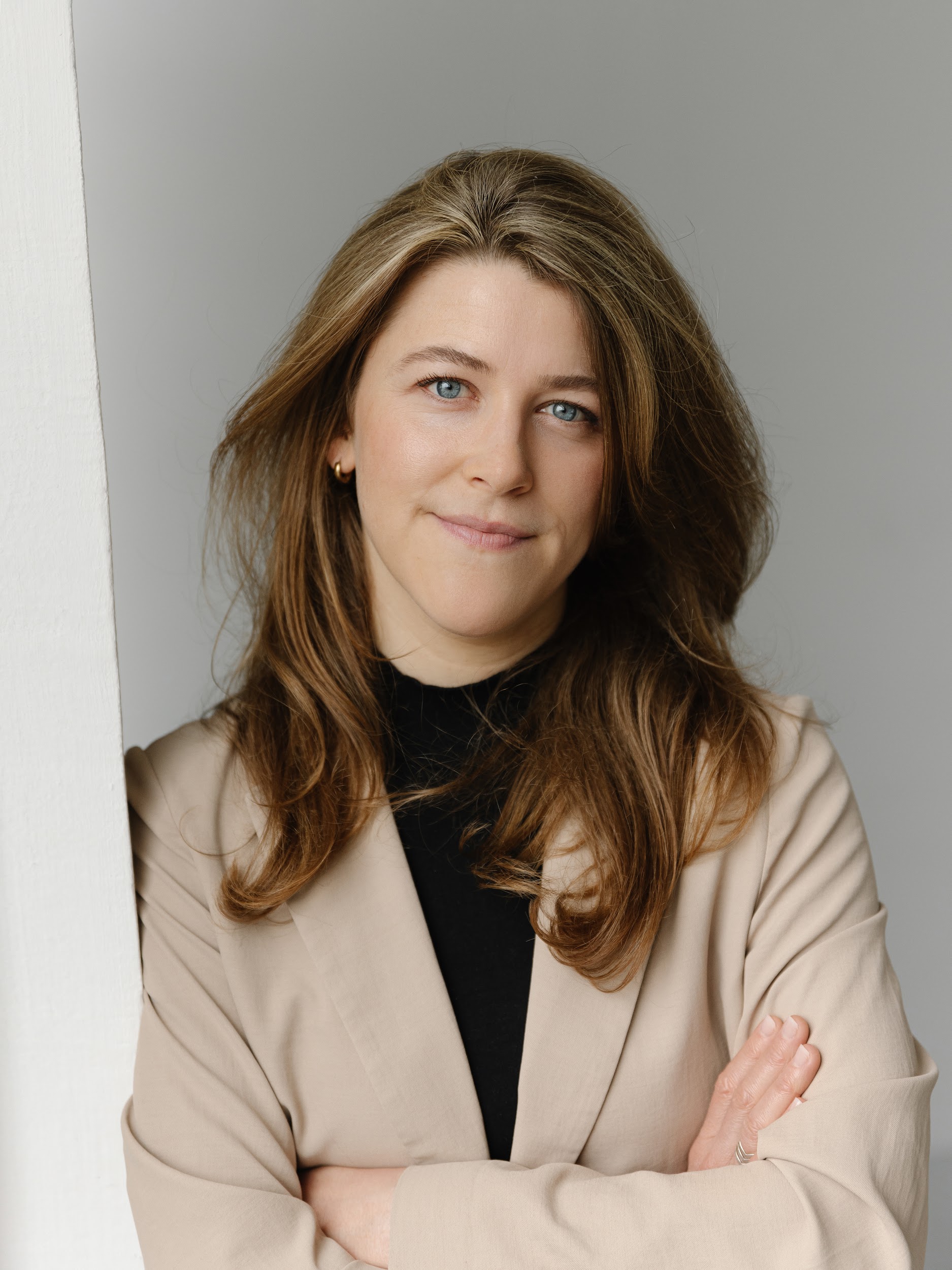
I hold a PhD in chemistry and have served as a scientific editor at BMC Medicine (Nature Portfolio) and as a medical writer in clinical research. In every setting, my work has focused on sharpening both the argument and the writing.
My interdisciplinary background lets me assess a manuscript from three perspectives: as a researcher, a writer, and an editor. Each lens reveals a different layer: what the research claims, how it’s communicated, and whether its contribution is clear. Together, they make the manuscript easier to follow and more accessible, so your research reaches its intended audience.
My aim is to provide editorial insight before submission, when meaningful improvements can still be made. That insight strengthens not only your manuscript but the editorial eye you carry into every one that follows.
Writing is thinking made visible. I help you sharpen that thinking first, so that what you know is what the reader understands.

A Manuscript That Cannot Be Followed Cannot Do Its Work
A strong manuscript begins with a clear argument. Structure and thinking must be sound before the words can do their work. When a manuscript is unclear, the problem is rarely just the writing. Usually, deep familiarity with the work has hidden a structural or conceptual gap the author can no longer see.
My role is to challenge your ideas, strengthen your argument, and rebuild the structure that carries both before touching the language. We start with what you want to say, then refine how you say it.
That way, your work stands on a strong foundation and communicates convincingly. The result is a manuscript you can stand behind, submit confidently, and trust to be understood once it’s out in the world.
The ideas, the research, and the conclusions remain yours. The science doesn’t change. What changes is how clearly it comes across on the page and how confidently you can submit it.
A Collaboration That Strengthens Both Your Manuscript and Your Editorial Judgment
My perspective helps close the gap between what you know and what your manuscript shows, so editors, reviewers, and the people who need the evidence understand it too.
The Pre-Submission Assessment is how I apply it: it identifies where the manuscript already works well, where the argument weakens, and which revisions will make the biggest difference before submission.
This evaluation gives you concrete revision priorities and a precise understanding of how readers unfamiliar with your work will experience your manuscript. Beyond this assessment, you’ll also leave with a sharper sense of what to look for in every manuscript you write next.
This work requires close attention. I accept a limited number of projects each month, so every collaboration gets that attention.

The questions we work through are not just about this manuscript. They shape the thinking habits and editorial eye you carry into every manuscript that follows.
What Ten Years of Research, Writing, and Editing Taught Me to See in a Manuscript
Over ten years, I published my own work, wrote for scientific journals, and assessed manuscripts as a scientific editor at BMC Medicine (Nature Portfolio), primarily across clinical medicine, epidemiology, and public health. That experience formed me as a researcher, writer, and editor, and it helps me spot gaps a single lens might miss.
- My PhD in chemistry gave me a foundation in rigorous scientific thinking across disciplines, from quantum chemistry to biomedical applications.
- As a medical writer and clinical project manager, I translated complex clinical data into clear manuscripts for regulatory and publication purposes.
- I served as a scientific editor at BMC Medicine (Nature Portfolio): conceptualizing and leading special collections, critically assessing manuscripts, managing peer review, and working with leading researchers to strengthen submissions.
- I trained in Evidence-Based Medicine at Charité — Universitätsmedizin Berlin and hold a certificate in Translation Studies and Professional English.
As a member of the Editorial Freelancers Association (EFA) and the Verband der Freien Lektorinnen und Lektoren e.V. (VFLL), I remain engaged with current editorial practice.


Two Different Roles — Two Different Questions
Most researchers preparing a manuscript for submission have already used AI tools, and rightly so. They can improve language, flag structural inconsistencies, and speed up time-consuming tasks like early-stage literature review or formatting checks.
But a journal editor asks different questions: does the argument hold up, and does the manuscript make its case clearly enough to matter for this journal right now?
These tools aren’t designed to answer that reliably, in context, with accountability for the judgment. That’s not a limitation of the technology; it reflects what the technology was built to do. The Pre-Submission Assessment begins where AI leaves off: with the argument, not the sentence. If the problem is conceptual or argumentative, cleaner language won’t resolve it.
In my own workflow, I use AI to support tasks like background research, but never to process or analyze your manuscript directly. Every editorial judgment remains with me.
I Think Across Disciplines and See What Specialists Often Miss
Interdisciplinary thinking is central to my work. It helps me see the bigger picture a single perspective can’t reveal. My background reflects this approach: from quantum chemistry to public health and the craft of writing, everything feeds into a larger understanding.
As a scientific editor, I handled a large body of work in clinical medicine, epidemiology, and public health: randomized controlled trials, epidemiological studies, systematic reviews, and public health intervention studies, as well as manuscripts crossing conventional research boundaries, including sociomedical and arts-in-health research.
A career spent on both sides of the manuscript has trained my eye to reach the core quickly and assess it critically, no matter the subject.
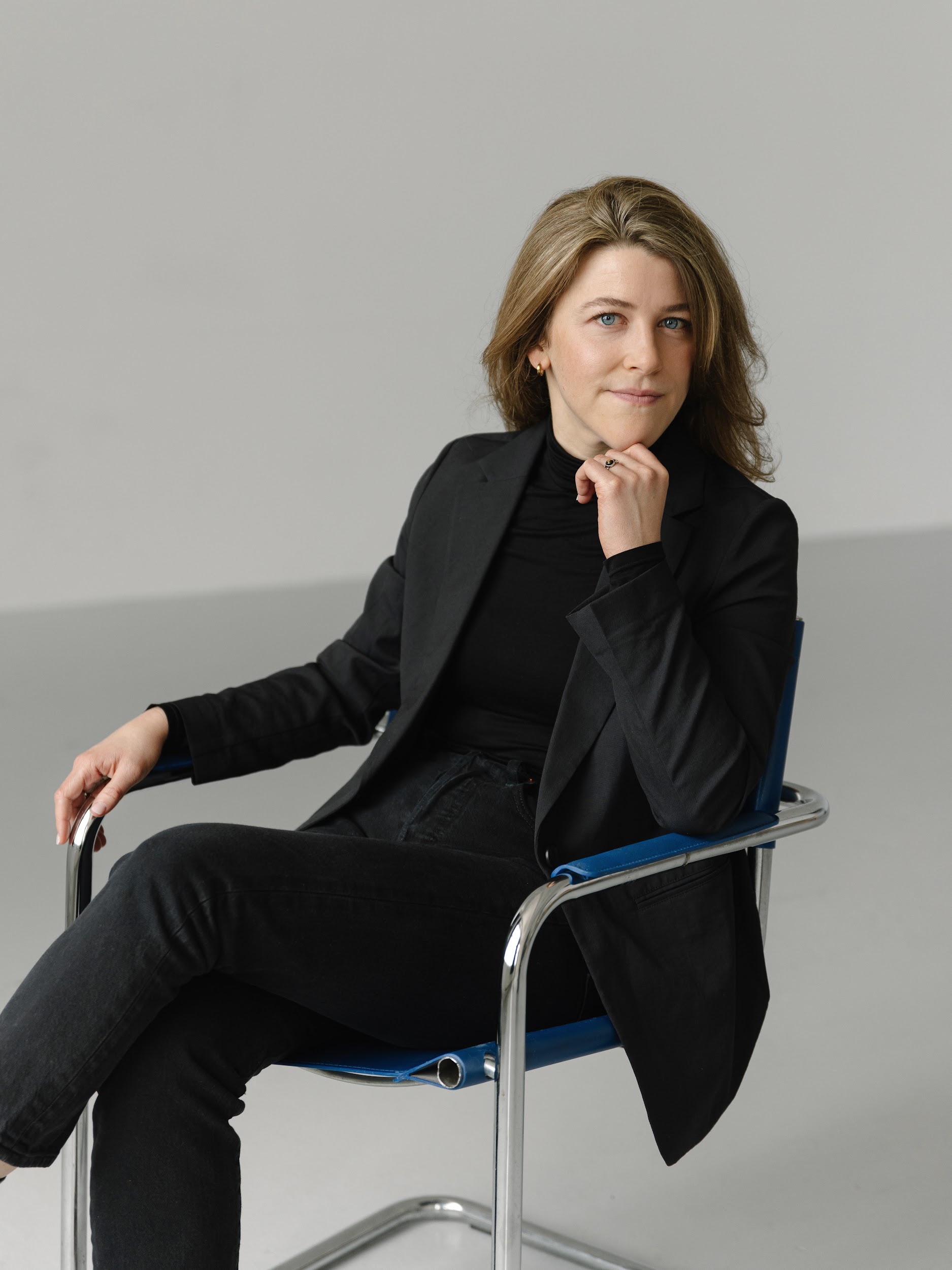
My focus is on research intended to inform clinical practice, public health, or health policy. If your manuscript crosses disciplinary boundaries but aims to influence evidence-based decision-making in health, reach out with a brief description of your study and target audience. I’ll advise on whether the Pre-Submission Assessment is the right fit for you.
Make Your Research Visible
A clear manuscript begins with clear thinking. Let’s make sure yours does too.
The Pre-Submission Assessment provides an independent editorial perspective on how your manuscript will likely be read at a selective journal and returns a revision plan you can act on within five business days. One form to get started, no meetings required.